
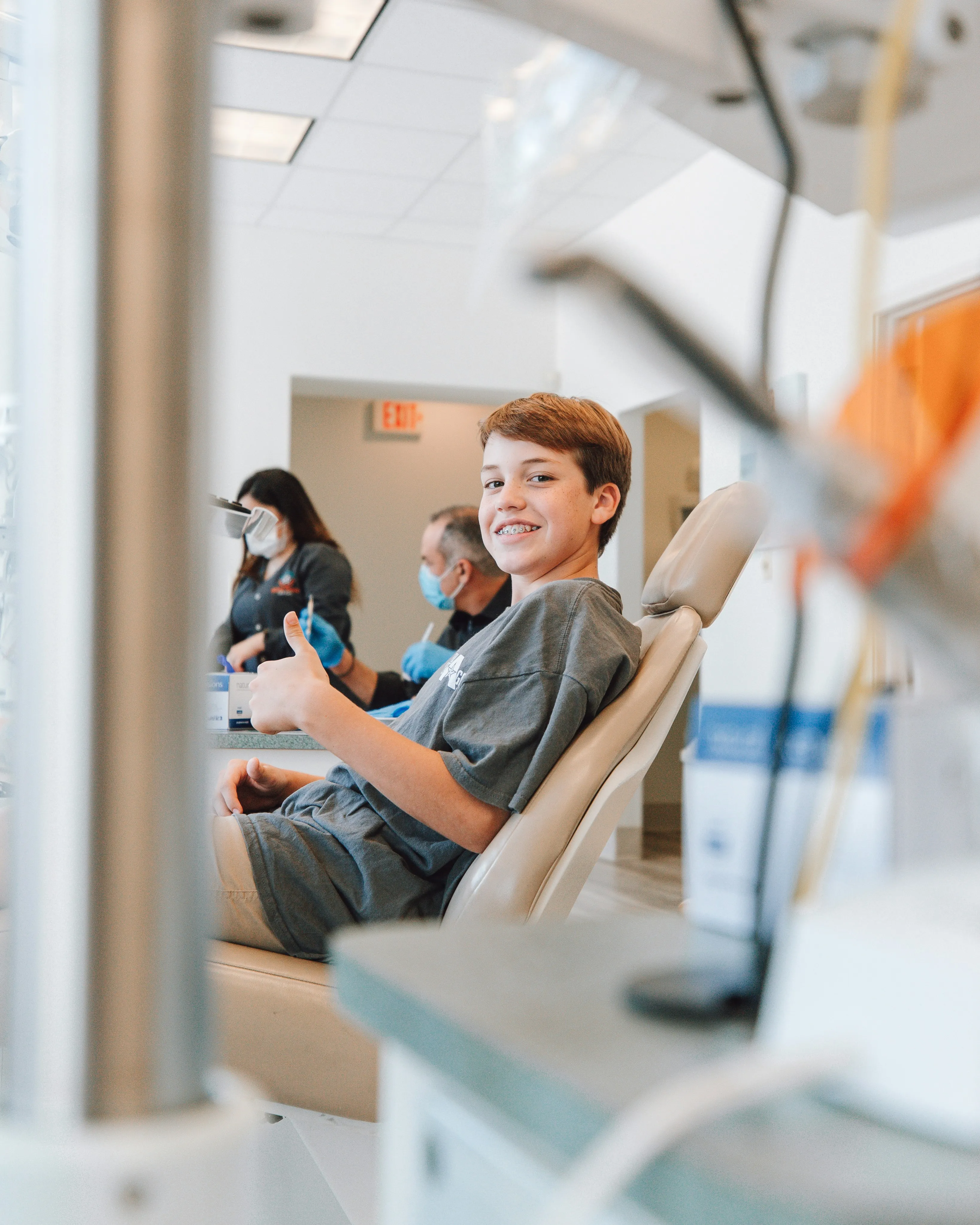
Illustrative image
Treatment
Pediatric Dentistry
Dental care for children, from first check-ups through to prevention and treatment, explained in a way both child and parent can follow.
Treatment Overview
What pediatric dentistry involves
Children need dental care that suits their age and their stage of development. Baby teeth matter: they hold space for the adult teeth, and problems in them can affect the teeth developing underneath.
Early visits are as much about familiarity as treatment. A child who is used to sitting in the chair and having their teeth counted is far more comfortable when something does need doing.
Dr. Anshul treats children at Dentora, with the examination and any recommended treatment explained to both the child and the accompanying parent or guardian.
Who May Need It
Common reasons to consider this treatment
These are general indications, not a diagnosis. Only an examination can establish what is appropriate in your case.
- A first dental visit, to get your child used to the clinic.
- Routine check-ups as the teeth develop and adult teeth come through.
- Visible decay, discolouration or a hole in a tooth.
- A child complaining of toothache or sensitivity.
- A knocked or injured tooth after a fall or accident.
- Concerns about thumb sucking, grinding, or the way the teeth are coming through.
- Advice on brushing, diet and preventing decay.
Assessment
How Dr. Anshul evaluates your case
- The visit begins gently, giving the child time to settle before anything is examined.
- Dr. Anshul checks the teeth that have come through, those still developing, the gums and the bite.
- Radiographs are taken only where genuinely needed and justified.
- Findings are explained to the parent or guardian, along with anything that needs attention now and anything to keep an eye on.
- Practical prevention advice on brushing and diet is given for your child specifically.
Treatment Process
Step by step
A general sequence. Your own plan is confirmed after assessment.
-
Getting comfortable
The first part of the visit is about familiarity — letting the child see the chair and the instruments before anything begins.
-
Examination
A check of the teeth, gums, bite and how the adult teeth are developing.
-
Explaining the findings
What was found is explained to the parent or guardian, and to the child in language they can follow.
-
Prevention
Brushing technique, diet advice and preventive measures appropriate to your child’s age.
-
Treatment if needed
Any necessary treatment is explained first and carried out at a pace the child can manage.
-
Review
Regular check-ups so that development is monitored and problems are picked up early.
Benefits
What this treatment can achieve
- Problems are identified earlier, when they are usually simpler to treat.
- Children become familiar with the clinic before they need treatment.
- Parents receive practical, specific advice on brushing and diet.
- Development of the adult teeth is monitored as it happens.
- The same dentist sees your child at each visit, which helps build familiarity.
Treatment Timeline
What to expect, generally
- A routine check-up for a child is normally a single short appointment.
- Check-ups are usually recommended at regular intervals, with the interval advised for your child.
- Treatment, where needed, may be spread over more than one visit so it stays manageable for the child.
- Monitoring the developing bite continues over years rather than months.
Aftercare
Looking after your teeth afterwards
General guidance. You will be given instructions specific to your treatment.
- Help younger children brush twice daily, and supervise until they can do it thoroughly themselves.
- Use a toothpaste appropriate for your child’s age, as advised.
- Limit sugary food and drinks, particularly between meals.
- Avoid sugary drinks at bedtime.
- Keep to the recommended check-up interval, even when there are no symptoms.
- Contact the clinic promptly if a tooth is knocked or injured.
Questions
Pediatric Dentistry — common questions
Early familiarity helps, and a first visit is generally recommended once the first teeth have come through. The visit is largely about getting your child comfortable with the clinic. Dr. Anshul can advise on the right interval for your child.
Yes. Baby teeth hold space for the adult teeth and help with eating and speech. Untreated decay can cause pain and can affect the developing teeth underneath.
Yes. A parent or guardian accompanies the child, and the examination and any recommended treatment are explained to you both.
The visit is paced to suit the child, starting with familiarity rather than treatment. Tell the clinic beforehand if your child is anxious so extra time can be allowed.
The information on this page is general dental information, not individual advice or a diagnosis. What is appropriate in your case can only be established by an examination. See the Dental Information Disclaimer.

Illustrative image — a stand-in portrait, not a photograph of Dr. Anshul
Your Dentist
Dr. Anshul
BDS — University of Delhi
Dentora is a solo practice. Dr. Anshul is your primary dentist for the assessment, the treatment plan, the treatment itself and the follow-up, and remains your point of contact if specialist input is coordinated.
10 years of clinical experience · English & Hindi
Appointments
Considering pediatric dentistry?
Send an appointment request and Dr. Anshul will examine, explain the findings and set out the options before anything is planned.
Monday – Saturday, 10:00 AM – 7:00 PM · Sunday — Closed