
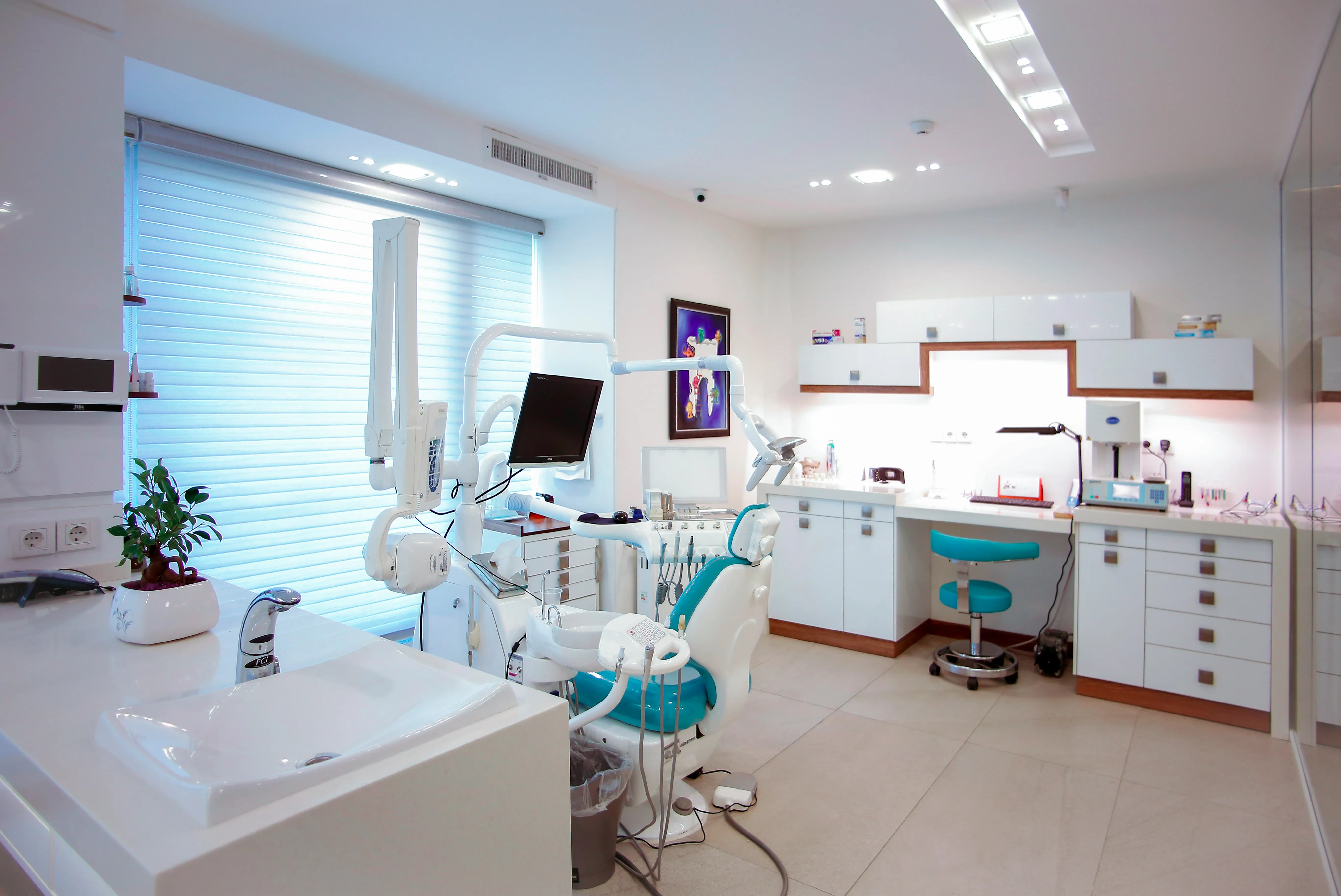
Illustrative image
Treatment
Wisdom Tooth Treatment / Oral Surgery
Assessment and treatment of wisdom teeth, including minor oral surgical procedures where removal is indicated.
Treatment Overview
What wisdom tooth treatment involves
Wisdom teeth are the last molars to come through, usually in late adolescence or early adulthood. There is often not enough room for them, so they may come through partly, at an angle, or remain buried in the bone.
Not every wisdom tooth needs removing. Where a wisdom tooth has come through cleanly, is functional and can be kept clean, it is normally left alone and monitored.
Removal is considered when a wisdom tooth is causing recurrent problems — infection around the gum, decay that cannot be restored, damage to the tooth in front, or associated pathology.
Wisdom tooth removal is a minor surgical procedure. What it involves in your case depends on the position of the tooth and its roots, which is established at assessment.
Who May Need It
Common reasons to consider this treatment
These are general indications, not a diagnosis. Only an examination can establish what is appropriate in your case.
- Recurrent pain or swelling around a partly erupted wisdom tooth.
- Repeated infection of the gum flap over a wisdom tooth.
- Decay in a wisdom tooth that cannot practically be restored.
- Damage or decay being caused to the healthy tooth in front.
- A wisdom tooth pressing against neighbouring teeth.
- Difficulty opening the mouth or persistent discomfort at the back of the jaw.
- A wisdom tooth identified on a radiograph that needs evaluating.
Assessment
How Dr. Anshul evaluates your case
- Dr. Anshul examines the area, the position of the wisdom tooth and the condition of the tooth in front.
- Radiographs establish the orientation of the tooth, the shape of its roots and its relationship to nearby structures such as the nerve in the lower jaw.
- Your medical history and any medication are reviewed, as both can affect surgical treatment and healing.
- Whether removal is genuinely indicated — or whether monitoring is more appropriate — is explained along with the reasoning.
- Where a case is complex, an appropriate oral surgery specialist can be coordinated.
Treatment Process
Step by step
A general sequence. Your own plan is confirmed after assessment.
-
Examination and radiographs
Assessment of the position, root shape and relationship of the tooth to nearby structures.
-
Discussion of options
Whether removal is indicated, what the procedure involves and what to expect afterwards, including the risks.
-
Local anaesthetic
The area is fully numbed before the procedure begins.
-
Removal
The tooth is removed. Depending on its position, this may involve a small incision, and the tooth may be sectioned to remove it more conservatively.
-
Closing and immediate aftercare
Sutures are placed where needed, and written post-operative instructions are given before you leave.
-
Healing review
A follow-up appointment checks healing and removes sutures if they are not the dissolving type.
Benefits
What this treatment can achieve
- Addresses recurrent infection or pain associated with a problematic wisdom tooth.
- Protects the healthy tooth in front from ongoing decay or damage.
- Removes a tooth that cannot practically be kept clean or restored.
- Carried out under local anaesthetic in the clinic.
- The decision is based on radiographic assessment rather than routine removal.
Treatment Timeline
What to expect, generally
- The removal itself is normally a single appointment, with the length depending on the position of the tooth.
- The first few days afterwards typically involve some swelling and discomfort, which then settles.
- Most people return to normal routine within a few days, though this varies.
- A review appointment usually follows about a week later to check healing.
- Complete healing of the socket continues over subsequent weeks.
Aftercare
Looking after your teeth afterwards
General guidance. You will be given instructions specific to your treatment.
- Follow the written post-operative instructions you are given; they matter more here than in most treatments.
- Bite gently on the gauze provided for the period advised to control bleeding.
- Avoid rinsing vigorously, spitting or using a straw for the first 24 hours, as this can dislodge the healing clot.
- Do not smoke — smoking substantially increases the risk of a painful dry socket.
- Stick to soft food and avoid very hot drinks initially.
- Use cold compresses as advised for swelling, and take medication exactly as prescribed.
- Contact the clinic if bleeding, pain or swelling increases rather than settling.
Questions
Wisdom Tooth Treatment — common questions
No. A wisdom tooth that has come through cleanly, is functional and can be kept clean is normally left alone and monitored. Removal is considered when it is causing recurrent problems or damaging the tooth in front.
Wisdom tooth removal at the clinic is carried out under local anaesthetic, so the area is fully numbed. Where a case is complex, an appropriate oral surgery specialist can be coordinated.
Some swelling and discomfort in the first few days is usual, settling thereafter. Most people return to their normal routine within a few days, though this varies. A review appointment follows to check healing.
A dry socket occurs when the healing blood clot is lost from the socket, exposing the bone and causing significant pain. Following the post-operative instructions — particularly not smoking and not rinsing vigorously early on — reduces the risk. Contact the clinic if pain increases rather than settling.
The information on this page is general dental information, not individual advice or a diagnosis. What is appropriate in your case can only be established by an examination. See the Dental Information Disclaimer.

Illustrative image — a stand-in portrait, not a photograph of Dr. Anshul
Your Dentist
Dr. Anshul
BDS — University of Delhi
Dentora is a solo practice. Dr. Anshul is your primary dentist for the assessment, the treatment plan, the treatment itself and the follow-up, and remains your point of contact if specialist input is coordinated.
10 years of clinical experience · English & Hindi
Appointments
Considering wisdom tooth treatment?
Send an appointment request and Dr. Anshul will examine, explain the findings and set out the options before anything is planned.
Monday – Saturday, 10:00 AM – 7:00 PM · Sunday — Closed